
Bedouin Tentsⴾⴰⵃⵉⵎⴰ
The Nomadic Spirit of Morocco
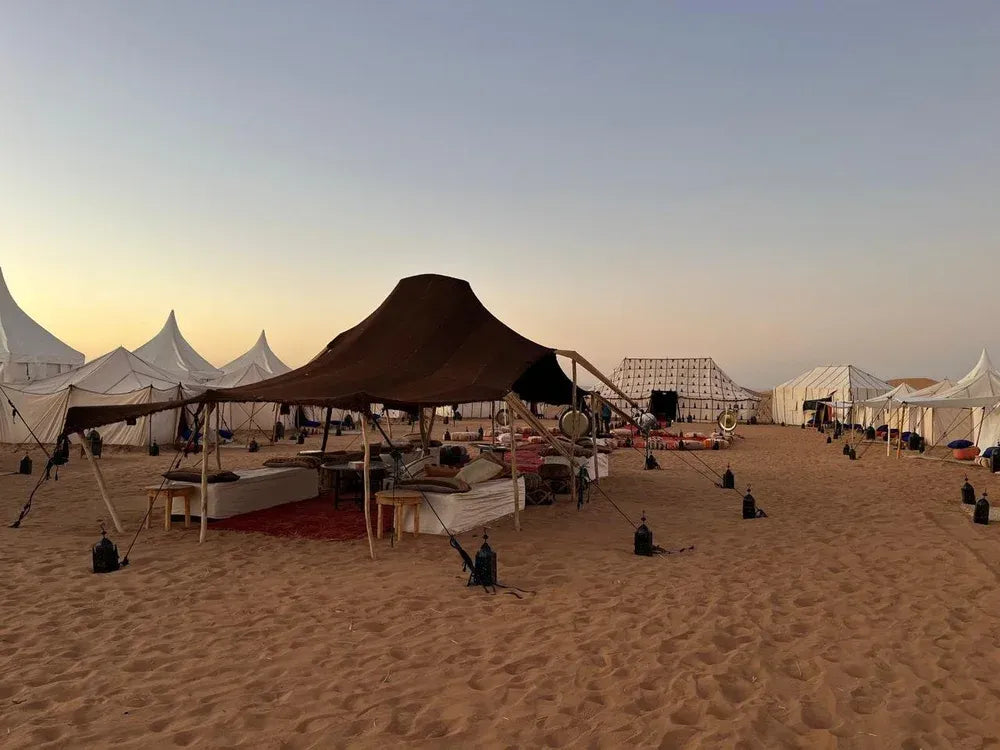
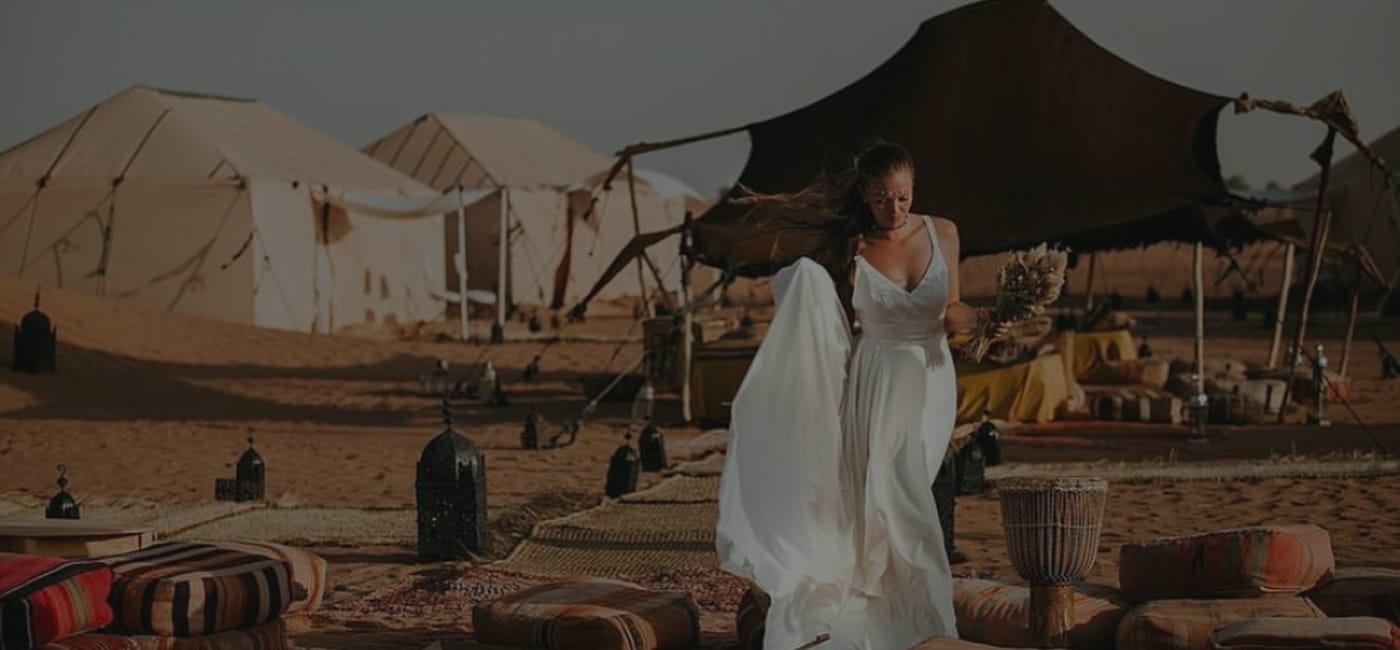
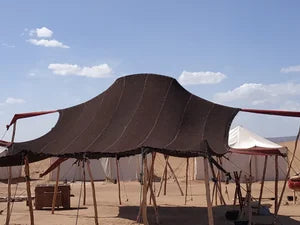
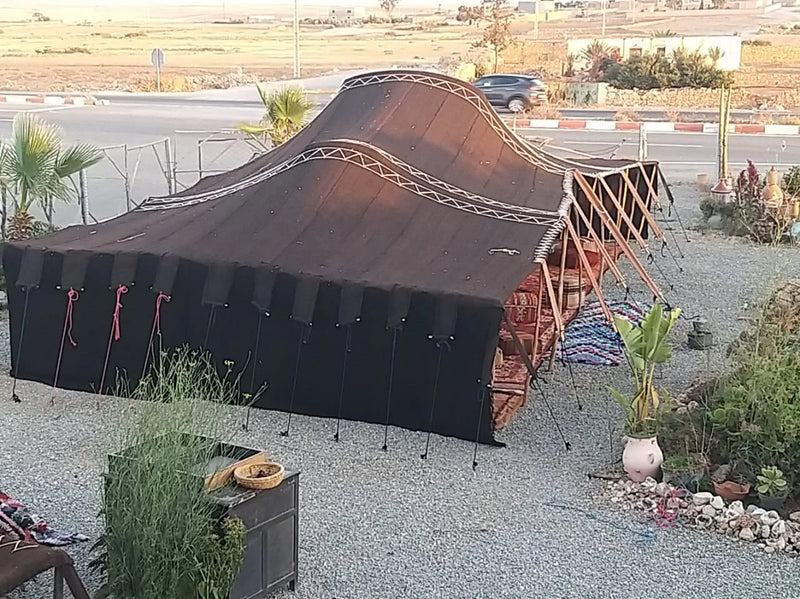
Bedouin or Kahima tents are the traditional black tents of Morocco, woven from goat or camel hair by Amazigh women. Lightweight, durable, and naturally weather-resistant, they have sheltered generations across the vast Sahara, where caravans move like whispers of history beneath starlit skies. Their black fibers expand slightly when wet, keeping interiors cool in summer and warm in winter—a design perfected over centuries of desert life. More than shelter, Khaima tents are living symbols of nomadic heritage, spaces where families gather, stories unfold, and meals are shared under the eternal rhythm of sand and wind, round the flicker of lanterns, with tents undulating in the desert dunes. Handcrafted by skilled artisans, each tent brings this ancient spirit into modern experiences, whether for cultural festivals, luxury retreats, or curated installations. See them at Scorpios Bazaar in Mykonos or the Beach Boutique at One&Only Kea Island, where the magic of the Sahara meets contemporary elegance.
Key features of our camel and goat hair tents:
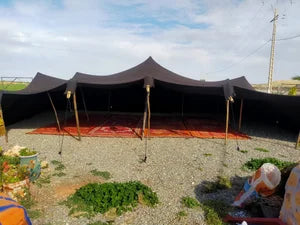
Authentic Design: With their timeless single central poles and wooden Hamar support structure, our tents evoke the true essence of nomadic living, grounded in centuries-old traditions.
Made to Order: Every tent is custom crafted to suit your unique needs, ensuring the perfect fit for your event or outdoor space, whether for a private gathering or an unforgettable experience.
Built to Last: The tightly hand-woven camel and goat hair offers superior insulation, wind protection, and natural climate control, making our tents an ideal refuge even in the harshest of environments.
Sustainable: Grounded in the spirit of supporting local communities and indigenous craftsmanship, each piece is thoughtfully crafted to honor the art of the Moroccan desert. Bringing the raw beauty of this heritage into your space, every tent tells a story of quality, resilience, and sustainable design.
Who are the Bedouin people ?
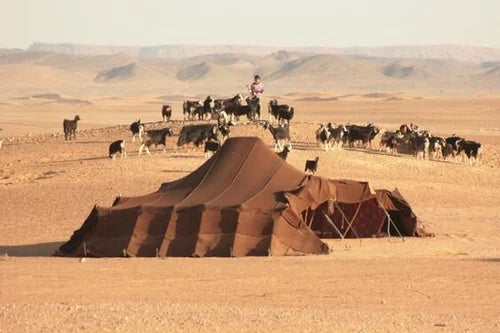
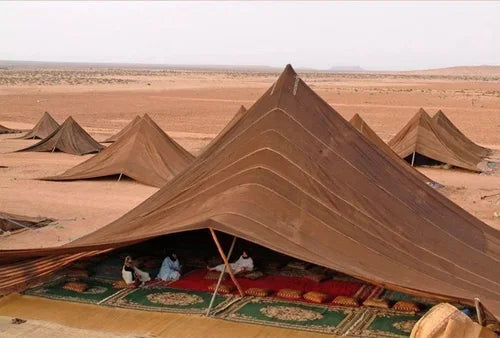
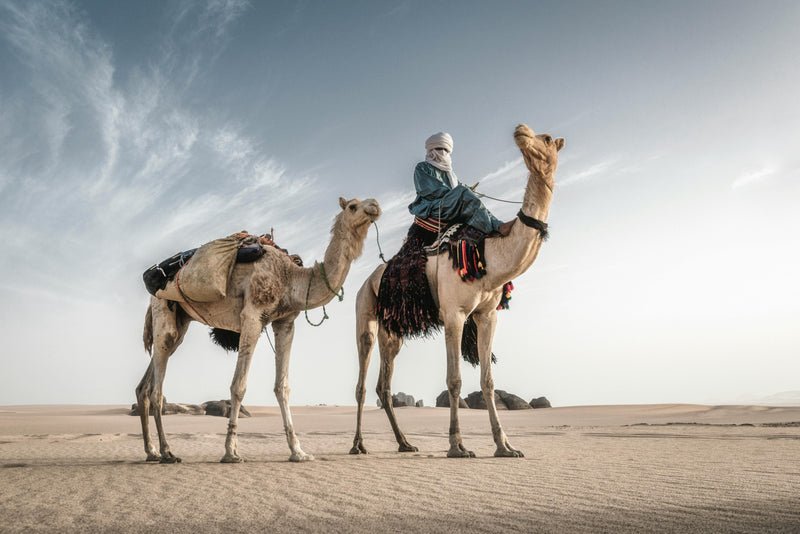
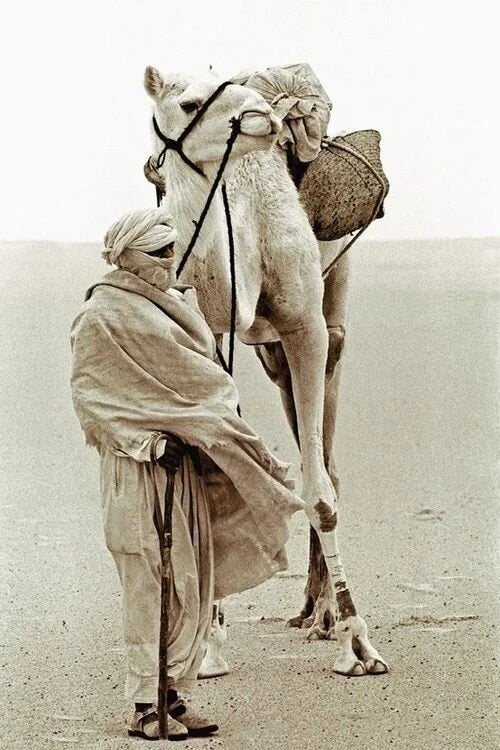
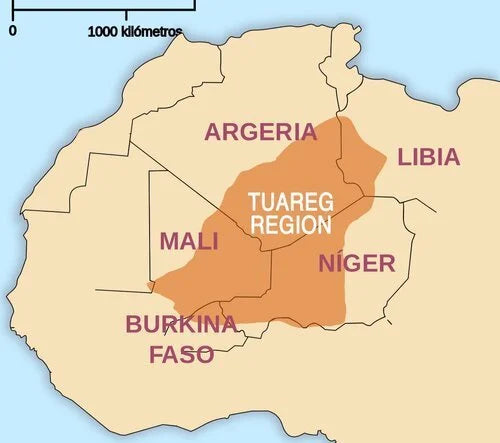
The Bedouins are semi-nomadic people whose roots stretch deep across the Middle East and North Africa, migrating with their herds to seasonal pastures. For centuries, their traditional Sahara Nomad Tents—also known as Bedouin or Bivouac Tents—have served as resilient shelters for these wandering communities. Crafted to withstand the harsh desert winds and ever-changing climates, these tents have evolved over generations, embodying the perfect balance of form and function. Their minimalist yet durable design allows for swift assembly and disassembly, reflecting the nomadic way of life that values both practicality and the timeless beauty of tradition.
Bedouin-Style Tent Installation & Care
Step 1 – Prepare the Site
- Unpack all components: roof, walls, poles, ropes, stakes.
- Lay out the rectangular roof at the desired location.
- Choose a flat, clear surface, protected from wind and flooding.
Step 2 – Erect the Roof
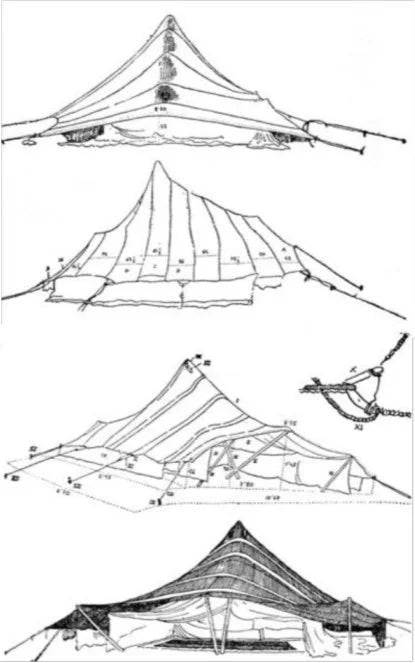
- Place the ‘hamar’ (banana-shaped wooden beam) in the center.
- Four people hold the corner ropes while two go under the tent.
- Insert two main poles in an X-shape at the ends of the long sides.
- Slowly raise the tent, coordinating rope tension and pole support.
- Ensure the hamar is centered and aligned.
Step 3 – Secure the Tent
- Fix corner ropes to the ground with metal stakes, angled outward.
- For extra stability, use V-shaped ropes at each corner.
- Make sure the roof fabric is taut.
Step 4 – Set Up the Sides
- Place small side poles in each corner.
- Stand poles vertically to support and shape the sides.
Step 5 – Final Adjustments
- Check all ropes and stakes for security.
- Adjust tension as needed.
- Confirm tent is centered and aligned.
Step 6 – Safety Precautions
- Avoid touching metal parts in rain or thunderstorms.
- Keep open flames or heat sources away from fabric.
- Inspect ropes, poles, and fabric regularly for wear.
Care & Storage
Preparation
- Use mothballs or cedar wood to prevent insects.
Fabric Conditioning
- Sprinkle wax chips before storage to maintain suppleness.
Airing & Sunlight
- Every 2–3 months, place the tent in sunlight for ventilation.
Repair & Maintenance
- Camel hair, wool balls, and repair needles available for small repairs.
Tip: Proper care ensures your Bedouin-style tent remains a durable, culturally authentic, and beautiful shelter for years.
What are Bedouin Tents Crafted From?
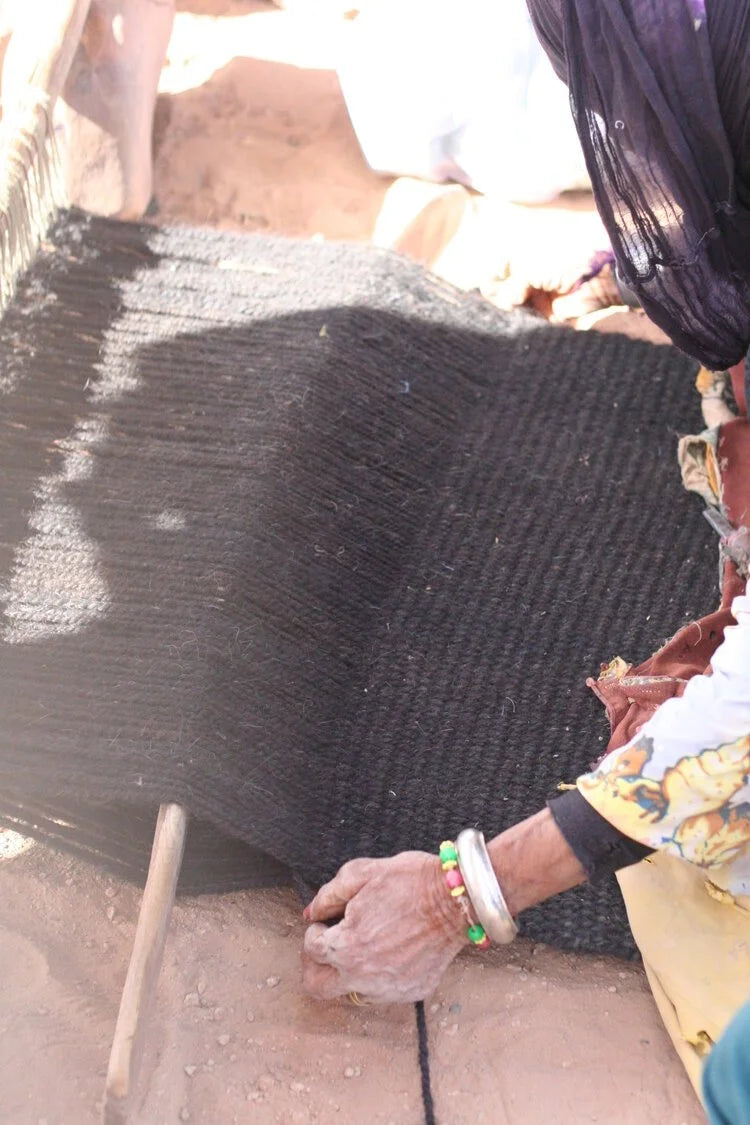
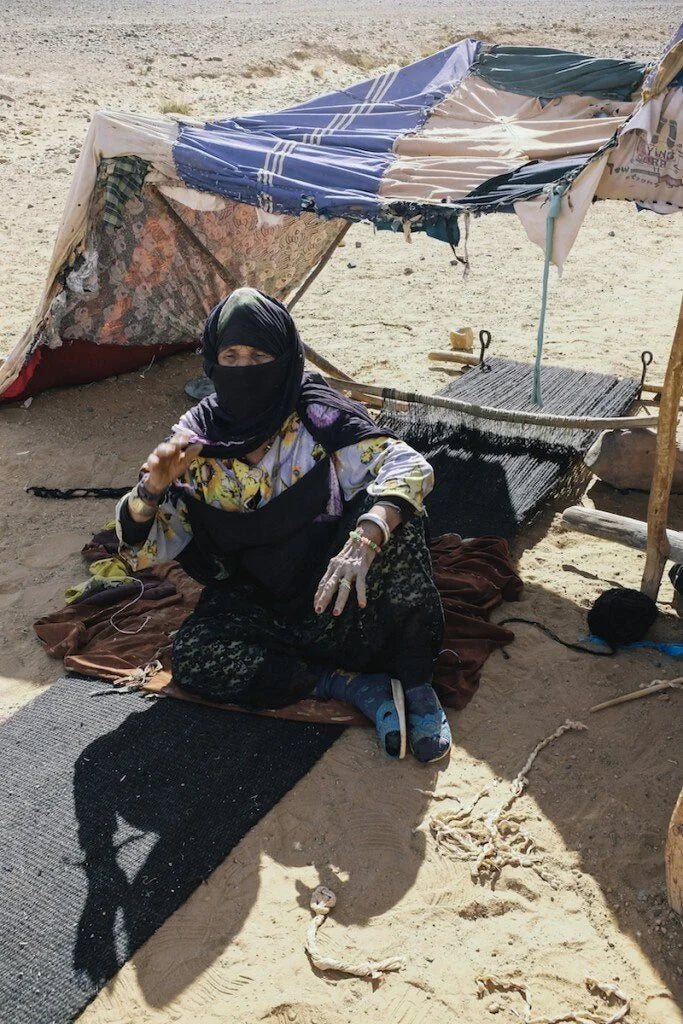
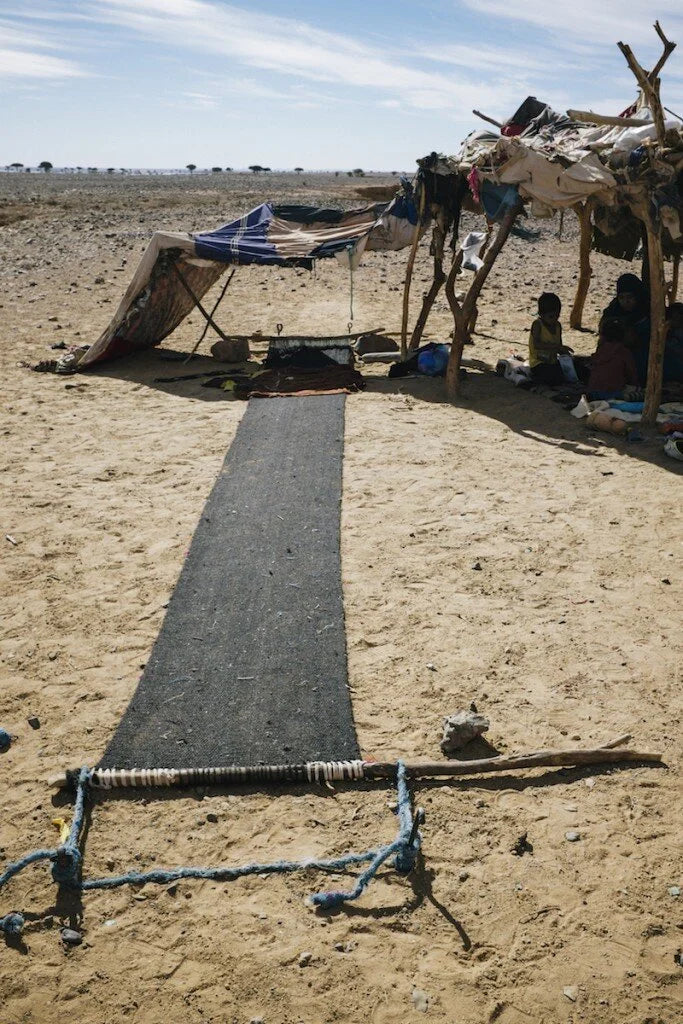
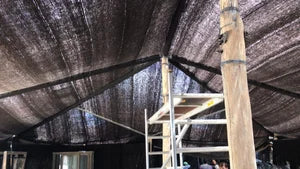
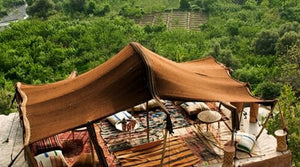
Bedouin tents are woven using traditional methods passed down through generations, blending camel and goat hair to create a fabric both strong and beautiful. The process begins with 50cm diameter panels, woven by hand on a nomadic loom, each one carefully sewn together to form the desired size. While the tents start with a deep black hue, the sun’s embrace gradually transforms them into a rich, earthy brown, reflecting the passage of time in the desert.
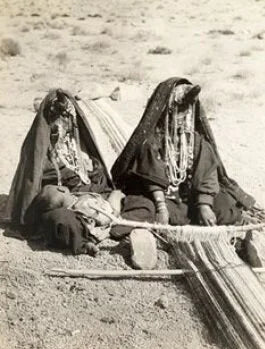
The weaving itself is a sacred craft, predominantly carried out by women on a ground loom. The result is a tightly woven, three-ply textile, known for its strength and durability. This versatile material is used not only for tents but also for camel bags, rugs, and pillows—every piece a testament to the ingenuity and resourcefulness of the Bedouin people.
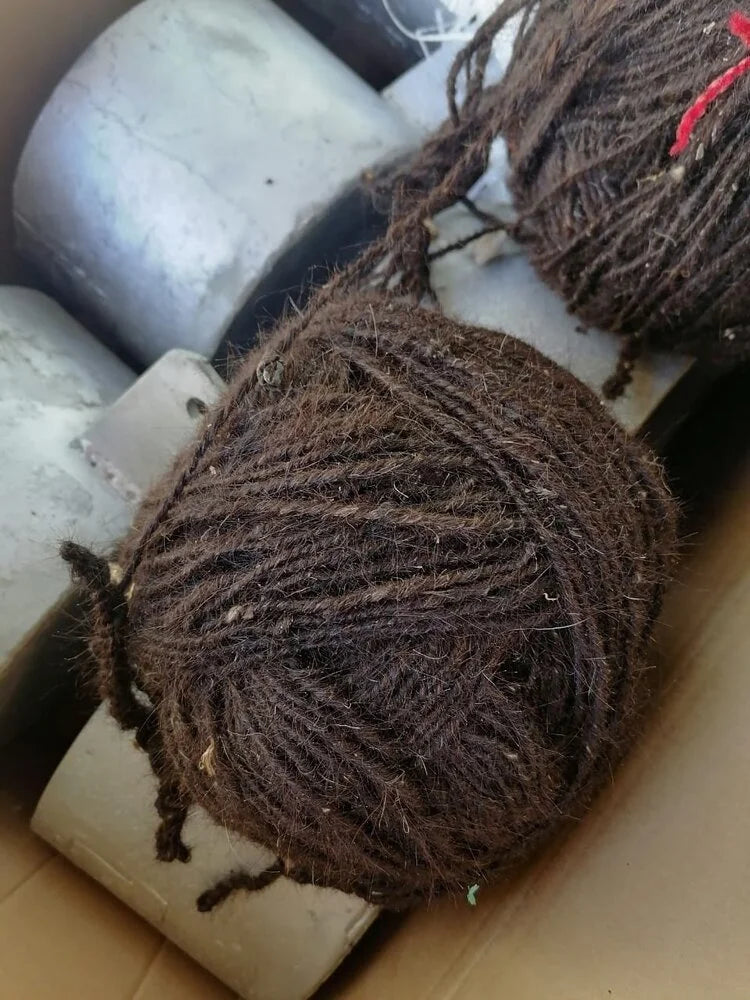
The wool, collected from their herds, is carefully cleaned, brushed, spun, and then woven, reflecting the deep connection between the tribes and their livestock—essential to their survival. Weaving these textiles is one of the oldest and most cherished crafts, with each tribe passing down its unique designs and techniques, preserving a rich legacy of artistry and tradition.
What is the Traditional Name for a Bedouin Tent?
Bedouin tents are known by many names, each reflecting the rich cultural heritage and nomadic lifestyle of the tribes. They are called bayt al-shar, meaning “house of hair” in Arabic, a nod to the woven camel and goat hair that forms their structure. Often referred to as bivouac tents due to their temporary nature, they are also known as Middle Eastern or Berber tents, depending on the region and tribe. Above all, they are simply called nomad tents, embodying the spirit of a life lived in constant movement, deeply grounded in the traditions of the desert.
Camel Hair Weaving
Authentic Craftsmanship – The Heart and Soul of Bedouin Tents.
Timeless Bedouin Ergonomic Design
- Handwoven with care from camel and goat hair by the nomads of the Sahara, in 50cm wide panels
- Crafted with a central pole and Hamar support, reflecting the simplicity and strength of tradition (size-dependent)
- The fabric begins in rich black, gracefully fading to a warm, earthy brown as it embraces the sun’s touch
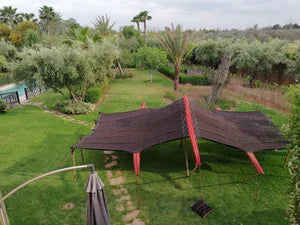
- Customizable with 20cm diameter wooden posts or metal roof frames for large-scale projects, hotels, festivals, and public spaces
- Structural drawings available from our expert architect to ensure a perfect fit
- Designed for effortless assembly and dismantling, offering versatile mobility
- (SKU# MT05)
Request quoteBedouin Tent Gallery
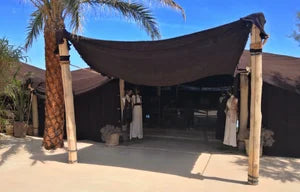
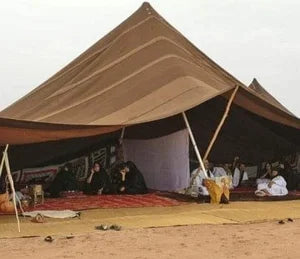
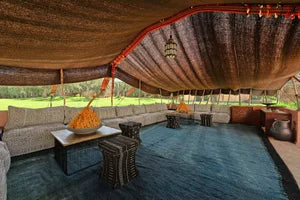
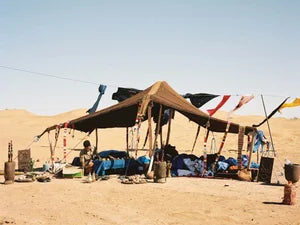
FAQs
What are Bedouin tents made of?
Traditionally, Bedouin tents are handwoven from camel hair or goat hair. These materials offer exceptional durability, insulation, and natural climate control, making them ideal for the harsh desert environment.
What is a Bedouin tent called?
Bedouin tents have several names:
- Bayt al-shar: This is the Arabic term for “house of hair.”
- Bivouac tent: This term emphasizes their temporary use.
- Nomad tent: This highlights their association with nomadic lifestyles.
Why are Bedouin tents made from camel and goat hair?
Camel and goat hair offer several advantages:
- Durability: The tightly woven hair creates a strong and long-lasting material.
- Insulation: The hair provides excellent insulation, keeping occupants warm at night and cool during the day.
- Natural Climate Control: The breathable material allows for air circulation, preventing condensation and maintaining a comfortable living space.
- Water Resistance: The natural hair oils act as a water repellent, providing basic waterproofing.
How do Bedouin tents work in extreme climates?
Bedouin tents are remarkably adaptable:
- Self-Regulating Climate: The weave expands in hot weather to promote airflow and contracts in cold weather to retain heat.
- Double-Layered Roofs (Optional): For extreme climates, we offer tents with double-layered roofs. In summer, an air gap between the layers provides additional cooling. In winter, the double layer provides enhanced thermal insulation.
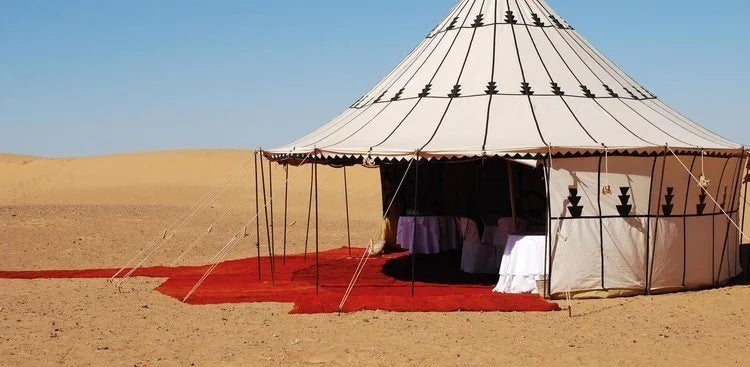
Pole Tents
Heavy cream canvas with a single pole in the middle. Available with or without black Moroccan motif.
Shop Pole Tents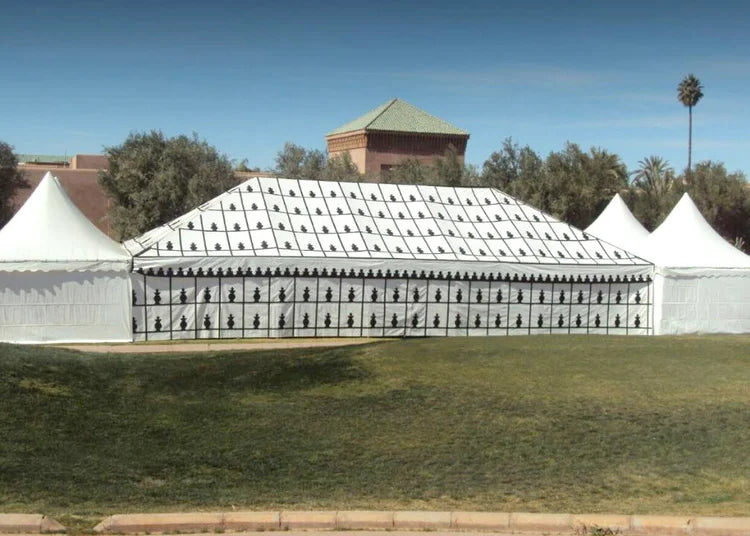
Full Frame Tents
Featuring a sturdy metal frame for a clean, open interior, these tents offer a luxurious and versatile space for events of all kinds.
Shop Frame Tents
Stretch Tents
We offer stunning stretch tents! These versatile, waterproof structures are perfect for creating unique spaces. Explore sizes, colors and get a free quote.
Shop Stretch TentsSubscribe and join our community
Sign up with your email address to receive news and updates.